Why Do I Feel Exhausted After Diving All Day?
Anyone who’s been on a full-day dive trip—whether a remote island resort or a multi-day liveaboard excursion—has felt it: that deep, bone-tired exhaustion after surfacing from the last dive of the day. You might expect exhilaration and eagerness to explore nightlife afterward, but instead, your body demands rest, your mind craves quiet, and you find yourself wondering why you feel so drained after such an incredible day underwater.
As a diver who’s done both isolated island dive resorts and liveaboards where the rhythm of the day is as fixed as the tides, I’ve pieced together the small but essential reasons behind that exhausting dive-day fatigue. It’s not just the physical workout of swimming and finning—it’s about hydration scuba style, the psychological shifts during surface intervals, gear-rinsing routines, and even our digital habits https://tuffpfp.com/from-reef-to-relaxation/ on the water. Let’s unpack this together, tackling everything from pre-dive preparation to post-dive evenings.
The Physiology of Diver Fatigue: More Than Muscle Work
Physically, diving is deceptively taxing. You’re moving against water resistance, managing buoyancy, and carrying equipment that can weigh down your muscles. But the deeper cause of fatigue isn’t just muscle soreness; it’s multifaceted:
- Decompression Exertion: Even with perfect dive profiles, your body is working hard to manage nitrogen absorption and off-gassing throughout the day.
- Cold Exposure: Water drains body heat faster than air, causing your metabolism to stay engaged longer, even between dives.
- Breathing Effort: Breathing from a regulator involves overcoming added effort compared to normal air breathing, which adds subtle respiratory fatigue.
- Hydration Scuba Style: Dehydration sneaks up on divers. Breathing dry compressed air increases fluid loss, making staying hydrated crucial but often neglected.
These factors combined create an endurance challenge that lasts well beyond the dive itself.
Surface Intervals: More Than a Breather
This reminds me of something that happened thought they could save money but ended up paying more.. It’s tempting to think of surface intervals as just “time waiting” to adhere to safety protocols. In reality, these moments between dives serve multiple vital functions that influence how your body and mind react to a long day underwater.
Relaxation and Physiological Recovery
Surface intervals allow your circulation and respiratory systems to normalize after exertion under pressure. Muscles relax, nitrogen starts off-gassing, and your body gets a chance to recover energy. The quality of this rest depends a lot on how you spend that time—lounging in a shaded spot, stretching, or gently hydrating.
Social Bonding and Mental Reset
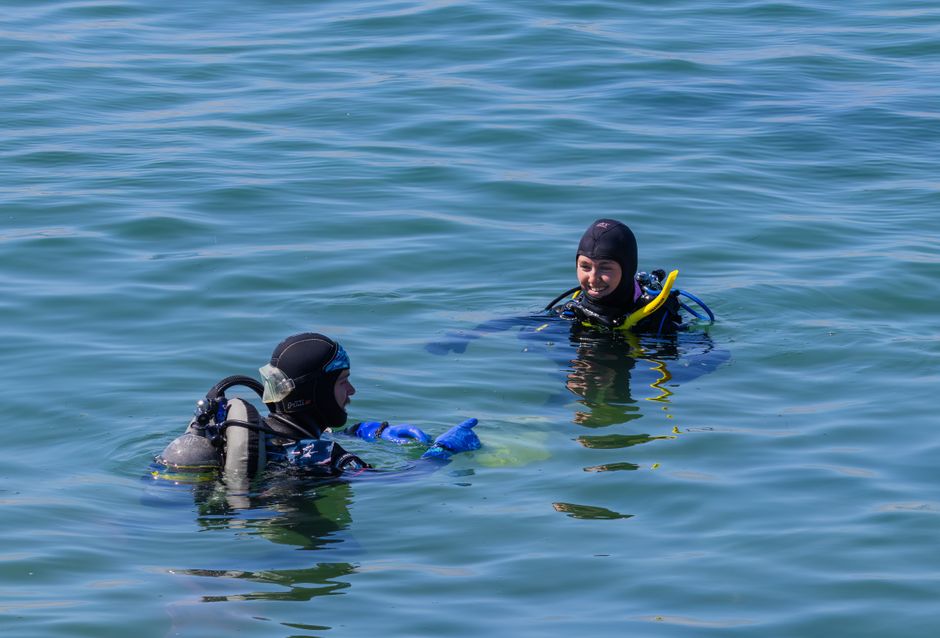
On both remote island resorts and liveaboards, surface intervals are prime moments for socializing. Sharing dive stories, comparing who spotted that rare critter, or just enjoying light banter helps reduce mental fatigue. These social moments lower stress, improve mood, and energize for the next dive.
One favorite part? Hearing fellow divers’ observations about the same site can add new layers to your experience. “Did you see the blue ribbon eel at the north ledge? I caught a glimpse during my second dive!” Those stories are often worth their own mental cooldown.
Why Liveaboard Routines Amplify Tiredness
I love liveaboards for their limited option lifestyle—the fixed daily schedule simplifies decisions and focuses energy. You dive, you eat, you rest, you rinse gear, and you repeat. This no-frills rhythm is a blessing and a challenge:
- Limited Physical and Cognitive Choices: With fewer recreational decisions or distractions, your brain moves into a low-key, recovery mode faster.
- Heavy Loading Days: Multiple dives combined with travel between sites create a cumulative load on your body.
- Evening Pace Shift: After rinsing gear and prepping tanks, the day’s energy drops sharply—no bustling local markets or loud nightlife competing with your need to unwind.
The result? That familiar low-energy “trance” where sleep after diving feels essential, even if your mind is still wrapped around the day’s underwater highlights.
Evenings After Diving: The Shift in Pace and Mindset
After the last gear rinse and equipment check, evening on a dive trip often turns into a peaceful, low-key affair that differs dramatically from daytime excitement. This transition is more than a change in activities; it’s a psychological cue to your body that the effort phase is over, and recovery can begin.
Want to know something interesting? the smell of fresh salt on wet suits, the sound of gear dripping into rinse tanks, and the knowledge that your dive computer data is saved and analyzed—all combine for a unique downshift in mood.
I’ve noticed that evenings on dive trips often become ideal windows for reading or light socializing, rather than high-energy events. This slowdown supports better quality sleep—which is crucial replenishing after a dive day.
Planning Offline-First Digital Entertainment: Phones & Tablets as Dive Trip Sidekicks
One thing dive trip veterans and I agree on: WiFi offshore or at remote resorts can be spotty or nonexistent. I keep a mental checklist for pre-downloads, ensuring my phone and tablet are stocked with entertainment that works entirely offline. Here are some essentials for offline-first dive trip planning:
- Podcasts: Download dive-related episodes or general interests for calming lunchtime listening.
- eBooks and Audiobooks: Download novels or dive manuals to pass surface intervals and evenings.
- Offline Maps & Dive Site Guides: Map apps and dive site reference downloads help with on-boat briefing and personal note-taking.
This preparation prevents stress from lack of connection and helps you fully embrace the dive trip's rhythm—without the pressure of constant online engagement.
Hydrating Strategically to Combat Diver Fatigue
Hydration scuba style deserves a special mention because it’s so underrated. Dehydration exacerbates fatigue, increases susceptibility to decompression sickness, and slows recovery. Here’s what I stick to during dive trips:
- Pre-Dive: Drink water steadily before leaving the boat or shore base.
- Between Dives: Sip water or electrolyte drinks during surface intervals.
- Post-Dive: Prioritize rehydration immediately after gear rinsing and before your evening meal.
A small but consistent effort to stay hydrated improves overall energy and makes those post-dive evenings more enjoyable and less like a forced nap session.
Summary Table: Why You Feel Exhausted After Diving All Day
Contributing Factor How It Causes Fatigue Tips to Manage Physical Exertion in Water Muscle use with buoyancy control and finning drains energy Gentle stretching and pacing on surface intervals Decompression Stress Body works harder to process nitrogen Respect surface intervals and avoid overexertion Cold Exposure Increased metabolic rate to maintain body heat Wear appropriate thermal gear and warm up between dives Dry Air Breathing Fluid loss via respiration leads to dehydration Stay hydrated with water and electrolytes Limited Evening Activity Shifting to low-energy modes signals body to rest Plan relaxing offline entertainment and early nights Mental Fatigue Cognitive load of dive planning and social focus Embrace downtime without overpacked evening schedulesFinal Thoughts: Embrace the Fatigue, Then Recharge Fully
Feeling exhausted after a day filled with diving isn’t a sign of weakness—it’s a natural, biological reaction to a unique physical and mental experience. By understanding the why and how of diver fatigue, you can better structure your surface intervals, hydration, and post-dive routines to enjoy your diving trip fully without burning out.

Before you set off, don’t forget your offline digital entertainment, hydrate smartly, and savor the social moments that happen above water just as much as those below. Listening to your body and mind’s signals will make sleep after diving peaceful and restorative, readying you for the next day’s underwater adventures.
Safe diving and rested evenings!